
Running for sheriff means winning a countywide election for the top law enforcement post in your county, and it runs on the same fundraising math as any local race: donors, deadlines, and a call sheet you actually work every day. This guide covers eligibility, filing, fundraising sequence, and the compliance work that keeps your campaign off the front page for the wrong reason.
- How to run for sheriff starts with confirming state eligibility rules, then filing candidacy 60-90 days before your state’s deadline.
- County sheriff campaigns typically raise $50,000 to $300,000 depending on county size — start call time in month one, not month six.
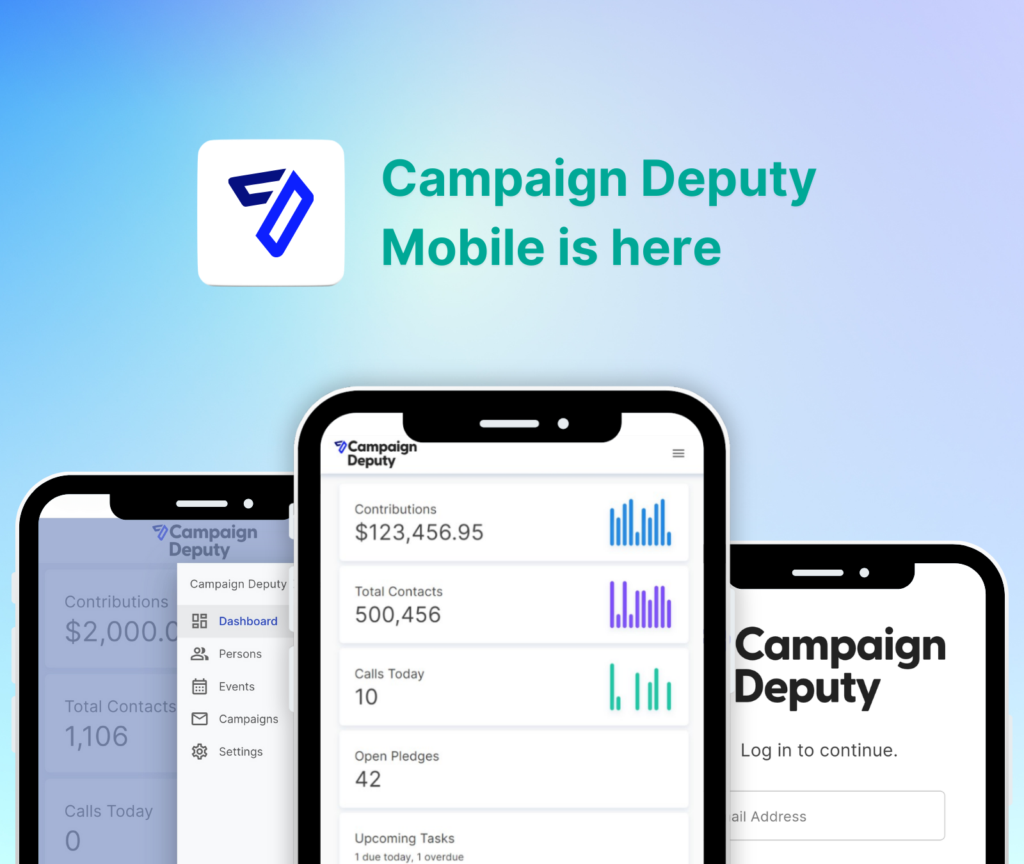
- Campaign Deputy centralizes donor tracking, call time, and compliance reporting so first-time sheriff candidates skip three separate logins: verdict is buy the workflow, not just the software.
- Endorsements from deputy associations and community groups move undecided donors faster than a mail piece does.
- Missing a campaign finance filing deadline is the single most common unforced error in county-level races in 2026.
Why this matters
Sheriff is one of the few countywide elected offices voters actually track by name, which means your fundraising has to start earlier than a city council or school board bid. County sheriff races in 2026 are drawing more first-time candidates, many running on reform platforms or simply promising better management of the jail budget and 911 response times. None of that gets funded without a donor list built months before election day.
The office also carries real filing obligations. Most states require a statement of candidacy, a treasurer designation, and periodic finance disclosures on top of whatever certification requirements apply to sheriff specifically. Miss one of those and you're explaining a compliance letter to a local reporter instead of talking about your platform.
What you'll need
- A copy of your state's candidacy requirements for sheriff, including any law enforcement certification (POST or equivalent) or residency rules
- A campaign treasurer and a dedicated campaign bank account
- A donor list of at least 100-150 personal contacts to start call time
- A fundraising platform built for first-time political candidates so donor data, call time, and reports live in one place
- A basic campaign website and a donation form that works on mobile
- A finance compliance calendar mapped to your state or county filing schedule
The steps
1. Confirm eligibility and file your candidacy
Every state sets different rules for who can run for sheriff, and some require a minimum number of years in law enforcement or a specific certification before your name goes on the ballot. Pull the exact statute from your secretary of state's office rather than relying on a general election guide, because sheriff eligibility rules differ from every other county office on the ballot. File your statement of candidacy and treasurer designation as early as your state allows in 2026 — late filing is the most avoidable disqualifier in local races.
Common mistake: assuming sheriff eligibility mirrors other county offices. It rarely does, and a rejected filing three weeks before the deadline leaves no time to fix it.
2. Build your campaign committee and open a bank account
You need a treasurer and a committee bank account before you accept a single dollar in most states. This isn't paperwork for its own sake — it's the account every donation and every disclosure report traces back to. Set this up in week one, not after your first fundraising email goes out.
3. Set a fundraising goal and build your donor list
A competitive sheriff race in a mid-size county runs $50,000 to $300,000 in 2026, scaled to population and whether the seat is open or held by an incumbent. Start your donor list with the 100-150 people who already know you: family, coworkers, neighbors, former colleagues from any prior public service. A fundraising platform for first-time candidates keeps that list organized from day one instead of scattered across spreadsheets and a personal phone.
Common mistake: waiting to build the donor list until after the campaign website launches. The list should exist before the website does.
4. Launch call time and work it daily
Call time is the highest-return activity in any sheriff campaign, full stop. Block two to three hours a day, work through your list in tiers of ask amount, and track every pledge and follow-up the same day you make the call — pledges not logged within 24 hours get forgotten. Expect roughly a third of dials to connect in most local races; budget your daily call sheet accordingly.
Common mistake: treating call time as optional once the website and social accounts are live. Digital presence doesn't replace a direct ask.
5. Send fundraising appeals that match your call time cadence
Email and mail appeals reinforce the calls, they don't replace them. Write your first fundraising letter around a specific ask amount and a specific reason — a filing deadline, an endorsement announcement, a jail overcrowding statistic from your county. Reference material like this political fundraising donation letter guide covers the structure that gets a reply instead of a scroll-past.
6. Build endorsements and a local coalition
Deputy associations, retired law enforcement groups, faith leaders, and neighborhood associations all carry weight with undecided donors in a sheriff race specifically, more than they do in most other local contests. Request endorsement meetings in month two or three, before an opponent locks the same group down. An endorsement announcement is also a legitimate reason to send another fundraising appeal.
Common mistake: chasing statewide political endorsements when local law enforcement and community group endorsements move more donor dollars in a county race.
7. File your compliance reports on schedule, every time
Most states require periodic campaign finance disclosures, and sheriff candidates get the same scrutiny as any other county officeholder on this front. Set calendar reminders for every filing date the moment you open your committee account, and use donor management and FEC compliance reporting software so your donor totals reconcile automatically instead of getting rebuilt by hand every reporting period.
Common mistake: reconciling donor records manually right before a filing deadline. Errors compound when they're found under time pressure.
8. Close strong in the final 30 days
Your last month should combine a final fundraising push with get-out-the-vote outreach to identified supporters. Use whatever cash remains for direct voter contact rather than saving it for after election day — unspent campaign funds don't win races. Send a closing-week appeal that states the stakes plainly and gives one clear reason to give today.
Run your sheriff campaign from one system
Track donors, call time, and compliance reporting without three separate logins.
Troubleshooting
- Donor list too thin in month one: Start with 100-150 personal contacts before touching a purchased or rented list. Personal contacts convert at a far higher rate than cold names.
- Call time isn't converting to pledges: Check your ask amount. Vague asks (whatever you can give) convert worse than a specific number tied to a specific need.
- Missed or nearly missed a filing deadline: Move your compliance calendar into the same system you use for donor tracking so one login shows both. A missed 2026 filing deadline is public record the moment it happens.
- Law enforcement association endorsement stalled: Request a follow-up meeting within two weeks of the first ask. Silence usually means an opponent got there first, not that the answer is no.
- Volunteers aren't showing up for phone banks or canvassing: Recruit through local reform groups, county party chapters, or community organizations rather than a general social media call for help.
- Fundraising plateaus after the first month: Segment your donor list by giving level and send a distinct appeal to lapsed donors instead of one generic blast to everyone.
Tools and resources
- Fundraising platform for first-time political candidates for donor tracking and giving history
- Donation letter structure guide for your first appeal
- Donor management and FEC compliance reporting for filing schedules
- Call time software with dial tracking and pledge logging
- A mobile-friendly donation form for your campaign website
- A texting platform for reminders about filing deadlines, endorsement events, and election day
What to do next
Once your committee is filed and your donor list is built, the next decision is how you scale outreach past your personal network. County sheriff races share more structure with city council races than most candidates expect — filing timelines, endorsement dynamics, and the fundraising sequence all rhyme. The city council campaign guide walks through the outreach scaling steps in more detail if you want the next layer down.
FAQ
How much does it cost to run for sheriff in 2026?
A competitive county sheriff campaign in 2026 typically costs $50,000 to $300,000, scaled to county population and whether the seat is open or held by an incumbent. Smaller rural counties can run lower; large metro counties run higher.
Do you need law enforcement experience to run for sheriff?
Some states require prior law enforcement service or POST certification to run for sheriff, while others don’t. Check your specific state’s candidacy statute before filing, since sheriff eligibility rules differ from other county offices.
Is running for sheriff a partisan or nonpartisan race?
It depends on the state and sometimes the county — some sheriff races appear on a partisan ballot line, others run nonpartisan. Confirm the format with your county election office before building your campaign messaging.
How long should a sheriff campaign run before election day?
Plan for 12 to 18 months of runway before election day in 2026, with donor list building and call time starting in month one. Shorter timelines make it harder to hit fundraising totals that support voter outreach.
What’s the filing deadline for a sheriff candidacy?
Filing deadlines vary by state, but most require a statement of candidacy and treasurer designation 60 to 90 days before the formal filing window closes. Confirm the exact date with your secretary of state’s office early, not close to the deadline.
Can an independent candidate run for sheriff?
Yes, independents can run for sheriff in most states, though ballot access rules and signature requirements differ from party-nominated candidates. Confirm independent filing requirements with your county election office.
How many donors does a sheriff campaign need to win?
There’s no fixed donor count, but campaigns that hit their fundraising goal typically build from 100-150 personal contacts up to several hundred donors through call time and referrals. The size needed scales with your county’s total budget target.
What’s the best way to track donors for a sheriff campaign?
A dedicated fundraising CRM built for political campaigns tracks pledges, giving history, and compliance reporting in one place rather than a spreadsheet split across volunteers. That single view is what keeps finance reports accurate at filing time.
One last thing
The sheriff candidates who miss their fundraising goal almost never miss it because of a bad website or a weak platform — they miss it because call time started in month four instead of month one. Every week of delay compresses the number of times you can ask the same donor for a second or third gift before election day in 2026.
Related guides