
A fundraising CRM for school board candidates is software that tracks donors, call time, filing deadlines, and email outreach in one system built for a race that runs on a few hundred contacts, not a national donor file. School board races differ from state or federal contests because most contributions come from parents, PTA networks, and neighbors giving $20 to $250, and many states set lower disclosure thresholds that trip candidates up fast. The right CRM for this race is one that handles small-dollar tracking and compliance without the overhead built for a congressional PAC.
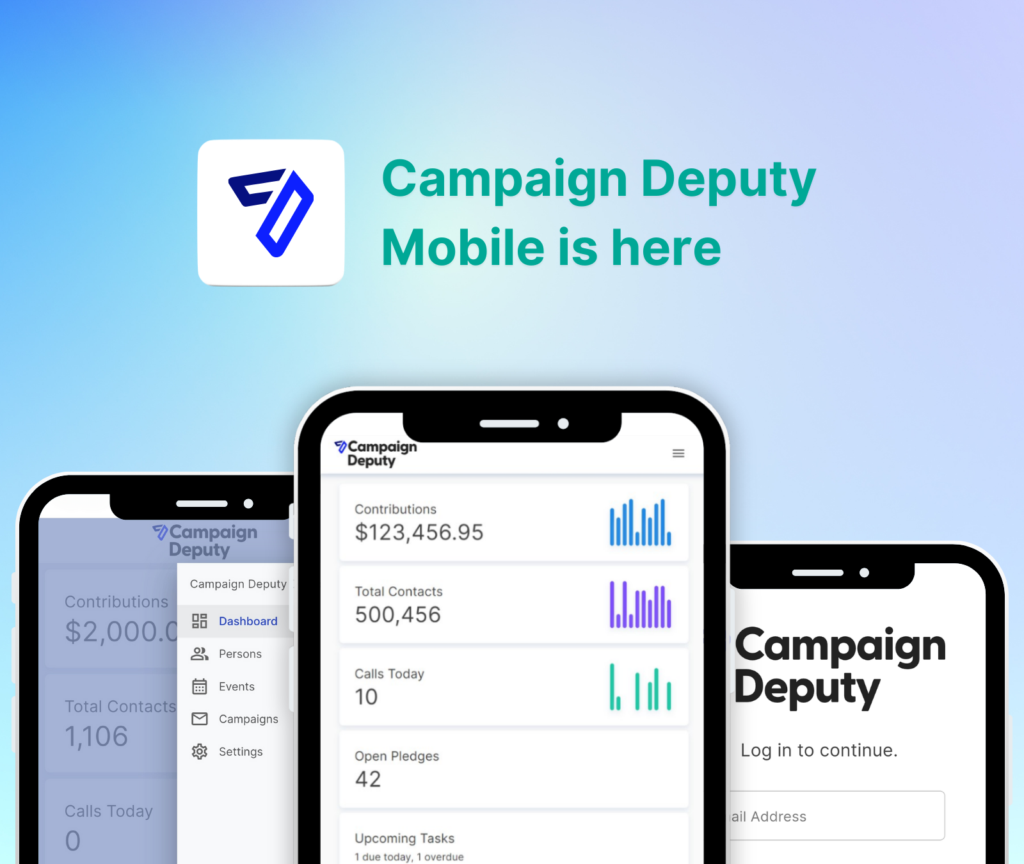
- Campaign Deputy fits school board candidates who need call time, email, and compliance reporting in one place without PAC-level complexity.
- Spreadsheets work until you pass roughly 50 donors, then compliance tracking becomes the risk, not the fundraising.
- School board donor lists lean on PTA rosters, coaching networks, and neighbors giving under $250 per gift.
- A CRM for school board candidates should log every filing deadline automatically, since local thresholds are easy to miss.
Why a fundraising CRM matters for school board candidates
Most school board candidates start with a phone contact list, not a donor database. That list grows fast once you start running for school board and asking PTA parents, coaches, and former teachers for early money, and a spreadsheet stops being reliable right around the point compliance actually starts to matter.
The stakes are smaller in dollar terms than a state legislative or congressional race, but the compliance risk is not smaller in consequence. A missed filing deadline on a school board race still triggers the same late-fee and public-record exposure as a missed filing on a bigger race, just with less staff to catch the mistake before it happens.
School board fundraising in 2026 also runs almost entirely on relationships, not paid media. That means the CRM's job is less about scale and more about never losing track of who gave, who was asked, and who still owes a thank-you.
Build your fundraising system step by step
Build your donor list from people who already know you
Before any software matters, the list has to exist. Most school board candidates start with 100 to 300 names pulled from personal contacts, not a purchased file.
- Pull contacts from your phone, email, and social media connections
- Ask PTA leadership and coaching networks for introductions, not lists
- Add everyone who signs your candidacy petition to the donor prospect list
- Track attendees from every coffee, house party, or forum you speak at
- Note who mentioned a specific issue, since that becomes your ask angle later
Set call time blocks around a job you probably still have
Most school board candidates keep their day job through the race, which means call time has to fit around work hours, not the other way around.
- Block 30-60 minute call sessions in the early morning or evening
- Group calls by list segment: past donors, PTA contacts, cold prospects
- Script a specific ask amount for each name, not a generic pitch
- Log every call outcome immediately so you never re-dial a no by accident
- Set a weekly call quota you can actually hit around a full-time job
Call time software built for first-time candidates replaces the paper call sheet once the list crosses roughly 50 names, because that is the point where manual tracking starts losing calls instead of saving time.
Track every donation and filing deadline in one place
School board disclosure rules vary by state and sometimes by district, and the reporting threshold is often lower than candidates expect. A $50 check from a neighbor can trigger a disclosure requirement the same way a $500 check does in a bigger race.
- Record donor name, address, employer, and date on every contribution
- Flag donations that push you past your state's itemization threshold
- Set calendar alerts for every filing deadline the moment you declare
- Reconcile your campaign bank account against your donor log monthly
- Keep a paper and digital backup of every filing you submit
Compliance reporting software for school board candidates automates the itemization flags and deadline alerts, which matters most for candidates running their own compliance without a treasurer on staff.
Send fundraising emails that do not cross a compliance line
Email is the cheapest way to reach a school board donor list, but the messages still need required disclaimers depending on your state and race type.
- Segment your list by donor, volunteer, and undecided prospect
- Write a subject line that names the specific school board seat, not "campaign update"
- Include the legally required disclaimer language for your state
- Send a thank-you email within 24 hours of every gift
- Test one ask amount per send instead of guessing at three
Automate small recurring gifts instead of re-asking every month
A $10 monthly recurring donor is worth more over a school board race timeline than a single $50 gift, because the recurring ask never requires a second phone call.
- Offer a recurring option on every donation form, not just the one-time button
- Set expectations upfront: $10 per month through Election Day
- Send a mid-race update to recurring donors specifically
- Track recurring failures like expired cards and follow up within a week
Recruit volunteers the way you recruit donors
School board volunteers usually come from the same network as donors: parents, teachers, and neighbors who already care about the district.
- Ask every donor if they will also knock doors or make calls
- Build a short volunteer sign-up form separate from the donation form
- Assign specific shifts, not open-ended help-when-you-can asks
- Recognize volunteers publicly after big pushes like a school board forum
Measure your progress against a real dollar goal
A school board goal set by guesswork produces call time without urgency. Set the number first, then work backward to how many asks it takes.
- Estimate your total budget from mail, signs, and digital costs
- Divide the goal by your average gift size to get your required ask count
- Track dollars raised weekly, not monthly
- Separate hard money received from pledges still outstanding
See the CRM built for down-ballot races
One system for donor tracking, call time, email, and compliance reporting.
Comparing fundraising options for school board candidates in 2026
| Option | Best for | Key limitation |
|---|---|---|
| Spreadsheet plus personal email | Candidates before their first dollar raised | Breaks down past roughly 50 donors, no compliance tracking |
| General-purpose nonprofit CRM | Thank-you and stewardship communication | Not built for candidate disclosure rules |
| Contribution processor alone | Collecting online gifts | No call time tracking or filing management |
| Campaign Deputy | School board candidates needing donor tracking, call time, and compliance in one system | More system than a race raising a few hundred dollars total needs |
Verdict: a spreadsheet is fine at launch, but any school board candidate planning to raise past a few thousand dollars in 2026 needs compliance tracking built into the same system as the donor list, not bolted on later.
“Once your donor list passes 50 names, the spreadsheet stops saving you time and starts hiding compliance risk.”
Common mistakes school board candidates make with fundraising
- Treating a $25 donor like an afterthought. Small-dollar school board donors are often repeat voters and volunteers, so skipping the thank-you costs you a second ask.
- Assuming the race is too small for compliance rules. Local disclosure thresholds catch candidates who never expected to hit them.
- Mixing personal and campaign funds. This is the fastest way to create a reconciliation mess on a campaign with no paid staff.
- Not logging in-kind gifts. Donated printing, yard signs, and venue space still need disclosure in most states.
- Losing momentum after a candidate forum. Names collected at a school board forum go cold within days without an immediate follow-up ask.
FAQ
What is the best CRM for school board candidates in 2026?
Campaign Deputy fits most school board candidates because it combines donor tracking, call time, email, and compliance reporting in one system built for down-ballot races. Spreadsheets work at the very start, but compliance risk grows once you pass roughly 50 donors.
Is a fundraising CRM overkill for a school board race?
Not if you are taking donations from more than a handful of people, since disclosure rules apply regardless of race size. A CRM is only overkill when the entire fundraising plan is under a dozen personal checks.
Do school board candidates need to file campaign finance reports?
Most states require some form of disclosure for school board candidates once contributions or spending cross a set threshold, and that threshold is often lower than candidates expect. Check your state and local election office for the exact filing schedule and dollar limits.
Is Campaign Deputy better than a spreadsheet for school board fundraising?
A spreadsheet works before you have donors to track, and Campaign Deputy becomes the better option once you need automated deadline alerts and itemization flags. The switch point is usually when your donor list crosses 50 names.
Can I use the same CRM if I run for city council after school board?
Yes, a CRM built for down-ballot races like Campaign Deputy scales from school board to city council without switching systems. Your donor history and call time habits carry over directly.
How do I track call time for a low-budget school board campaign?
Block short call sessions around your existing job and log every call outcome immediately. The habit of logging every call matters more than the tool you use to do it.
What is the difference between a CRM and a donation form for school board candidates?
A donation form collects the gift, while a CRM tracks the donor relationship, compliance data, and follow-up history around that gift. Most school board candidates need both, but the CRM is where the compliance risk lives.
How much should a school board candidate plan to raise in 2026?
The number depends entirely on your district size and mail costs, so calculate it from your actual budget rather than copying another race. Divide that goal by your average gift size to know how many asks the campaign requires.
One last thing
The school board candidates who raise the most in 2026 are rarely the ones with the biggest list. They are the ones who never let a pledge go uncollected. A verbal yes at a PTA meeting that never gets logged and followed up on is money already earned and then dropped, and on a race this size a handful of unpaid pledges is a noticeable share of the whole goal.
Related guides
- How to write a compliance-friendly fundraising email
- Best CRM for down-ballot political candidates
- How to calculate a campaign fundraising goal