Texting voters wrong gets your numbers blocked by carriers and can trigger fines under the Telephone Consumer Protection Act. Texting them right builds a channel that costs almost nothing per contact once you are set up correctly in 2026.
- 10DLC registration through The Campaign Registry is mandatory before any 2026 political text goes out.
- TCPA consent rules apply to every political text; a scraped voter list without opt-in is a compliance risk.
- Quiet hours run roughly 8am-9pm local time in most states.
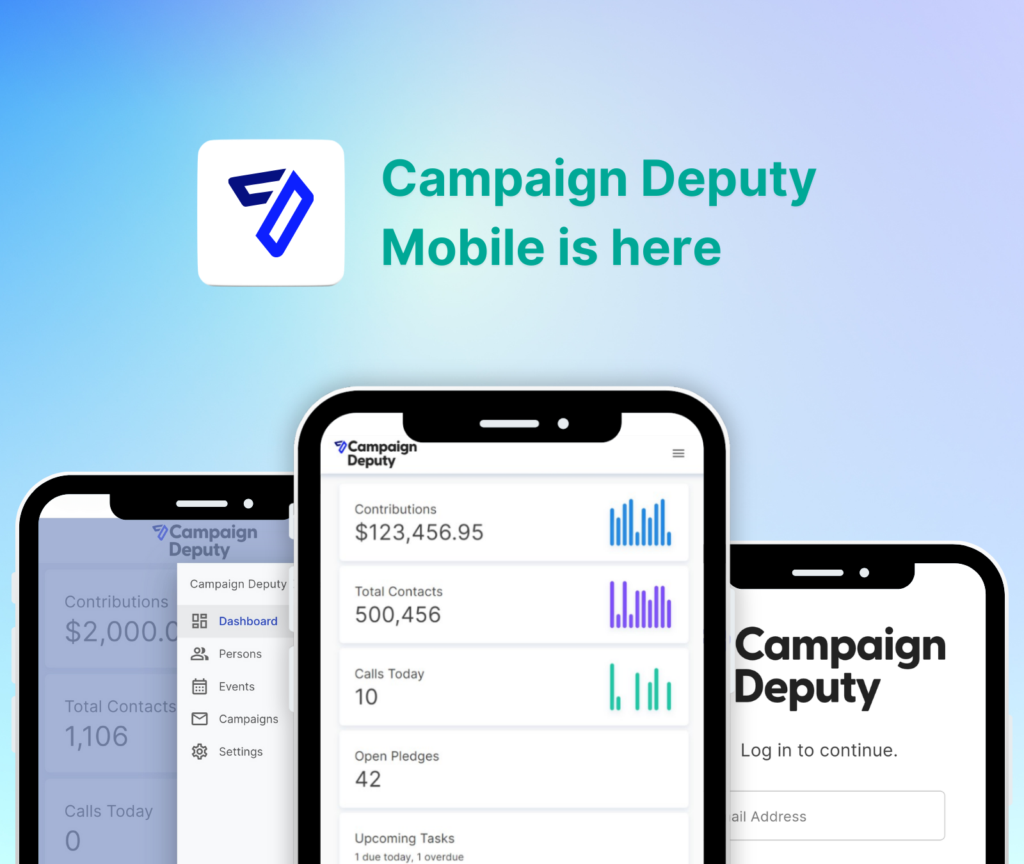
- Campaign Deputy logs consent and opt-outs automatically, the safer setup for short-staffed teams.
Why this matters
Carriers block first and ask questions later. T-Mobile, AT&T, and Verizon all run spam filters that flag unregistered senders and high-complaint traffic, and once a number gets flagged, deliverability tanks campaign-wide, not just for one bad send. The TCPA carries statutory damages of $500 to $1,500 per violation, and that is per text, not per campaign. A single blast to a few thousand unconsented numbers is real financial exposure.
The fix is not complicated. Registration, consent, timing, message discipline. In that order, every time.
What you will need
- A registered 10DLC campaign with The Campaign Registry, required by all major US carriers
- A consent-based contact list built from opt-ins, not a purchased voter file
- A texting platform built for political use, like the texting platform for get-out-the-vote campaigns from Campaign Deputy, that tracks opt-outs automatically
- Message templates under 160 characters per segment with clear sender identification
- A sending schedule that respects local quiet hours in every time zone on your list
- Volunteers trained on manual send rules if you run peer-to-peer texting
The steps
1. Register your 10DLC campaign before you send a single message
Carriers require Application-to-Person registration for any organization sending bulk texts, and political messaging gets extra scrutiny because of complaint volume during election season. Skip this step and your messages get throttled or blocked within days of your first large send. The common mistake is registering under a generic business use case instead of a political one. Carriers route those differently, and mislabeling slows approval.
2. Build your list from consent, not from the voter file alone
A public voter file tells you who is registered to vote. It does not tell you who agreed to receive a text from your campaign. Pull your texting list from web form sign-ups, event RSVPs, and volunteer intake forms where a phone number was submitted for contact. That keeps you inside TCPA guidelines and produces a list that actually responds, because these people already raised a hand. Campaigns treat the voter file as a texting list because it is the biggest list they have. It is also the riskiest.
3. Write copy that identifies the sender and includes an opt-out
Every text needs the sender name in the first line and opt-out instructions, typically Reply STOP to unsubscribe. This is not optional politeness. It is the mechanism that keeps you compliant and it is what carriers look for when auditing traffic. Keep the message under 160 characters to avoid multi-segment splitting, which raises cost and can break links on some devices. The common mistake is burying the sender name at the bottom of a long message. Put it first.
4. Set your sending window to quiet hours rules
Most states restrict unsolicited texts to roughly 8am to 9pm local time, and sending outside that window is the fastest way to generate a complaint that gets your number reported. If your list spans multiple time zones, segment your sends so nobody on Pacific time gets a message queued for Eastern hours. Expected outcome: fewer opt-outs, because your timing matches when people are actually checking their phone.
5. Pick the right sending method for your volume
Broadcast texting sends one-to-many automatically. Peer-to-peer texting requires a live person to click send on each message. The two carry different consent and dialer rules under the TCPA, and peer-to-peer generally faces fewer restrictions than autodialed broadcast traffic, though it is slower and needs staffing. Compare tools directly rather than guessing, starting with the best texting platform for political campaigns breakdown. The mistake is picking broadcast for everything because it is faster, then finding out the consent bar for autodialed texts is higher than your list supports.
6. Track opt-outs and honor them immediately
When someone replies STOP, that number must be suppressed from every future send that day, not queued for manual cleanup next week. Spreadsheet list management is where campaigns lose track and re-text someone who already opted out, which is the most common TCPA complaint trigger. A CRM built for candidate contact, like the CRM for independent candidate campaigns from Campaign Deputy, suppresses opt-outs across every channel, so a STOP reply does not leave someone still receiving your emails.
7. Keep records for your compliance file
Document your consent source, your 10DLC registration, and your opt-out logs. If your state or the FCC asks, a timestamped consent trail is a defense and a shrug is not. This record-keeping also feeds campaign finance reporting, because texting vendor costs have to appear correctly on your 2026 disclosure filings.
8. Test with a small batch before the full list
Send to 50 to 100 contacts first and watch the opt-out rate and delivery failures before pushing to the full list. An opt-out rate at or above 3% on that first batch means your list, timing, or copy needs a fix before you scale. Expected outcome: you catch a broken opt-out flow on 100 people instead of 10,000.
See compliant texting built for campaigns
Opt-out tracking and 10DLC-ready sending for candidate and PAC teams.
Troubleshooting
- Carriers are filtering or blocking your messages. Check 10DLC registration status first. Unregistered or mislabeled campaigns get throttled automatically, and this is the most common cause of sudden delivery drops.
- Opt-out rate is above 3% on a single send. Your list source is the problem, not your copy. Confirm every number came from a real opt-in rather than a purchased or scraped file.
- Messages are flagged as spam on recipients' phones. Shorten the message, put the sender name and purpose in the first line, and cut excessive links or ALL CAPS, all of which trip spam heuristics.
- Your 10DLC registration was rejected. Re-check that you selected the correct use case category and that your sample message matches what you actually send.
- A recipient complains about receiving your text. Pull the consent record for that number immediately. If you cannot produce one, treat it as a list-hygiene failure and audit how that number got added.
- Response rates are low even though delivery looks fine. Check your send time against the recipient's local time zone. A message landing at 7am gets ignored even when it is technically compliant.
Tools and resources
- The Campaign Registry, for 10DLC verification and use case approval
- A texting platform purpose-built for political and advocacy sending rather than generic marketing SMS
- A CRM that logs consent and suppresses opt-outs across texting, email, and call time in one place
- Your state campaign finance office, for confirming how texting vendor costs get disclosed in 2026
What to do next
Once your texting program is compliant and running, the same consent and record-keeping discipline applies to every other donor-facing channel on the campaign. If you are building a first campaign from scratch, how to run for city council covers where texting fits alongside fundraising and contact sequencing.
FAQ
Is it legal to text voters for a political campaign?
Yes, with proper consent tracking, 10DLC registration, and opt-out handling under TCPA rules. Unregistered bulk texting to a purchased list is where campaigns run into fines and carrier blocks.
How much does it cost to text voters for a campaign?
Cost depends on message volume and whether you use broadcast or peer-to-peer sending, since platforms price per message segment. Registration through The Campaign Registry is a separate step most platforms handle for you.
What is 10DLC and why does my campaign need it?
10DLC, or 10-digit long code, is the carrier-required registration system for organizations sending bulk A2P text messages in the US. Skipping it gets your messages filtered or blocked by carriers within days.
Can I text people from a voter file?
A voter file alone does not establish consent to text, so texting numbers pulled straight from it carries real TCPA risk. Consent needs to come from a form, event sign-up, or prior opt-in exchange.
What are quiet hours for political texting?
Quiet hours generally run about 8am to 9pm local time, and sending outside that window is a common complaint trigger. Segmenting sends by time zone keeps multi-region lists compliant.
What is the difference between peer-to-peer and broadcast texting?
Peer-to-peer texting is sent manually one message at a time by a live person, while broadcast texting is automated and sent to many contacts at once. Consent and dialer rules differ between the two under the TCPA.
How do I handle opt-outs correctly?
Every STOP reply must suppress that number from all future sends immediately, not after manual review. A CRM that syncs opt-outs across texting, email, and calling closes the gap where someone opts out of texts but keeps getting emails.
Do nonprofits follow the same texting rules as political campaigns?
Nonprofits face the same TCPA consent and 10DLC registration requirements when sending bulk texts. The consent-first, opt-out-tracked approach applies whether the sender is a candidate committee or a nonprofit.
One last thing
The campaigns that get texting right in 2026 are not the ones with the biggest lists. They are the ones with the cleanest consent records, because a smaller opt-in list beats a massive scraped file on response rate and never puts you in front of a TCPA claim. Build the list correctly the first time and the compliance work mostly takes care of itself.
Related guides