Florida campaign finance filing runs on a strict monthly clock, and the Division of Elections (or your county Supervisor of Elections, depending on the race) doesn't grant grace periods for a missed deadline.
- Florida campaign finance filing means monthly reports due by 5 p.m. on the 10th — late fines start accruing the next day, no exceptions.
- State and federal candidates file through the Division of Elections online system; county and municipal candidates file with their local Supervisor of Elections.
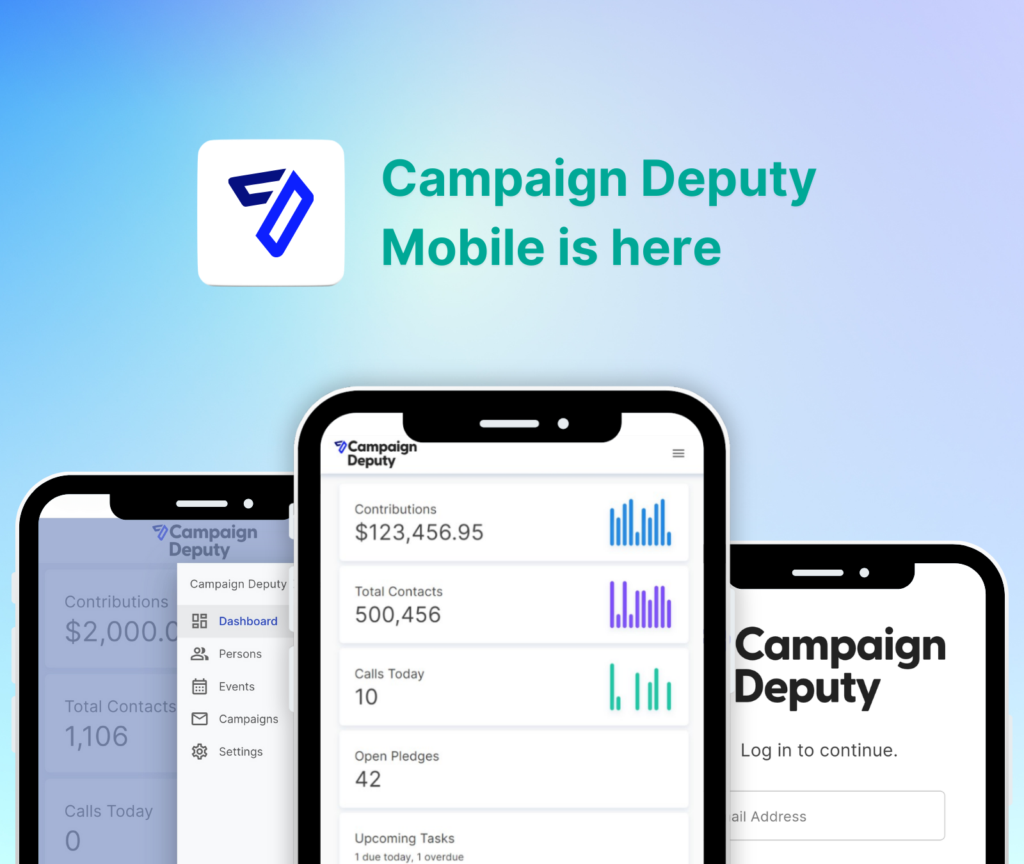
- Campaign Deputy tracks itemized contributions against Florida’s reporting format year-round — verdict: buy if you’re filing more than two or three reports a cycle.
- Appointing a campaign treasurer and opening a campaign depository account has to happen before you accept a single dollar in 2026.
Why this matters
Florida Statute 106.07 doesn't care that you're a first-time candidate or that your treasurer had a family emergency the week a report was due. Fines accrue daily, and unresolved reports can follow a candidate past election day into a lien against personal assets. A donor management and FEC compliance reporting platform exists specifically because campaigns lose more money to late fees and amended filings than they ever save by doing reports manually in a spreadsheet.
The process itself isn't complicated once you've done it twice. It's unforgiving the first time because Florida's filing calendar shifts based on whether you're in an election year, and because state races and local races don't always use the same portal.
What you'll need
- Appointment of Campaign Treasurer and Designation of Campaign Depository (Form DS-DE 9), filed before you accept or spend any money
- A dedicated campaign bank account — Florida requires contributions to run through this account only
- Your assigned filing officer: Division of Elections for statewide, legislative, and multi-county races; your county Supervisor of Elections for most municipal, county commission, school board, and sheriff races
- Login credentials for the state's electronic filing system, or your county's local portal
- Itemized records of every contribution and expenditure — donor name, address, occupation, employer, date, and amount for anything over the itemization threshold
- A recurring calendar reminder for the 10th of every month in 2026, plus the compressed pre-election reporting schedule
The steps
1. Confirm your filing officer before you file anything
Florida splits filing responsibility by office. Candidates for governor, cabinet, state legislature, and multi-county judicial seats file with the Division of Elections. Candidates for city council, county commission, sheriff, and school board typically file with their county Supervisor of Elections. Filing with the wrong office doesn't count as filing — you'll show as delinquent even though a report exists somewhere in the state's system.
Common mistake: assuming a countywide race like sheriff routes through the state portal. It usually doesn't.
2. File your treasurer and depository designation first
Before a single contribution hits your account, Form DS-DE 9 has to be on file naming your campaign treasurer and your campaign depository bank. This isn't optional paperwork — accepting money before this form is filed is itself a violation, separate from any reporting violation that follows.
Expected outcome: your campaign account is open, your treasurer is officially recognized, and your reporting clock starts.
3. Set up itemized contribution tracking from day one
Florida requires occupation and employer information for contributors above the itemization threshold, and reports get kicked back or flagged for amendment when that data is missing. Manually chasing down a donor's employer three months after they gave $250 wastes staff time your campaign doesn't have.
This is where a fundraising platform for first-time political candidates earns its keep — contribution data gets captured correctly the moment it's entered, not reconstructed at reporting deadline.
Common mistake: collecting contributions through a generic payment processor that doesn't capture occupation and employer, then discovering the gap the week a report is due.
4. File monthly reports by the 10th, every month, in 2026
Outside the final weeks before an election, Florida candidates file monthly. Each report covers activity through the last day of the previous month and is due by 5 p.m. on the 10th. If the 10th falls on a weekend or holiday, the deadline shifts to the next business day — but don't count on that without checking your filing officer's calendar directly.
Expected outcome: a filed report showing zero fines, submitted before the 5 p.m. cutoff, not at 5:01.
5. Switch to the pre-election schedule when it kicks in
In the weeks immediately before a primary or general election, Florida compresses the reporting schedule from monthly to more frequent filings. Miss this schedule change and you'll file on the old monthly cadence while the state expects the compressed one — which shows up as a missed report even though you technically filed something.
Common mistake: treating the pre-election period like any other month and filing on the 10th when the state expected a report days earlier.
6. Reconcile your bank statement against your report before submitting
Every report has to tie out to your campaign depository account. A report that shows $42,000 raised when the bank shows $39,500 gets flagged, and reconciling that gap after submission is slower and more visible than catching it beforehand.
Expected outcome: your reported totals and your bank balance match to the penny before you hit submit.
7. File your final or termination report
When the campaign winds down — win or lose — Florida still requires reports until you formally terminate. Candidates who stop filing without submitting a termination report keep accruing obligations and fines even after the election is over.
Stop chasing Florida filing deadlines
See how Campaign Deputy tracks contributions in Florida’s exact reporting format.
Troubleshooting
Report rejected for missing occupation/employer data. Go back to the original contribution record and follow up with the donor directly — most campaigns lose a week here because they wait until the rejection notice arrives instead of collecting the data at intake.
Bank total doesn't match reported total. Check for pending transactions and in-kind contributions that were recorded but hadn't cleared the bank yet. In-kind contributions get reported but don't move cash, which is the most common source of this mismatch.
Filed with the wrong office. Contact both the Division of Elections and your county Supervisor of Elections immediately — the sooner the correction is on record, the less likely it reads as a missed filing.
Missed the pre-election compressed schedule. File the missing report the moment you notice, and note it as filing under the corrected schedule. Fines are lower for a self-caught late filing than one flagged by the state.
Treasurer resigned mid-cycle. File an amended DS-DE 9 naming the new treasurer before the next reporting deadline — an unfilled treasurer vacancy during a reporting period creates its own compliance gap.
Running as a no-party-affiliation (NPA) candidate and unsure which rules apply. NPA and independent candidates in Florida follow the same contribution and reporting rules as party candidates — the CRM built for independent candidate campaigns handles this without treating NPA filers as an edge case.
Tools and resources
- The Division of Elections' electronic filing portal for statewide and legislative races
- Your county Supervisor of Elections office for local race filing requirements and portal access
- A dedicated campaign finance CRM that itemizes contributions in Florida's required format as they come in, rather than at report time
- A shared calendar with the monthly deadline plus the compressed pre-election schedule marked for 2026
- If you're running for a legislative seat, the process for running for state representative covers filing requirements specific to that office
What to do next
Get your treasurer designation and depository filed before you touch a single dollar, then build your contribution tracking system before your first fundraising email goes out — not after your first report is due. Campaigns that set up itemized tracking from day one spend reporting week confirming numbers, not reconstructing them.
FAQ
How often do candidates file campaign finance reports in Florida?
Florida candidates file monthly reports by the 10th of each month in 2026, switching to a compressed schedule in the weeks immediately before a primary or general election. The exact pre-election dates come from your filing officer’s published calendar.
Who do I file my Florida campaign finance report with?
Statewide, legislative, and multi-county candidates file with the Division of Elections. Most county and municipal candidates — city council, county commission, sheriff, school board — file with their county Supervisor of Elections instead.
What happens if I file late in Florida?
Fines accrue daily starting the day after the 5 p.m. deadline on the 10th. Unresolved late fees can follow a candidate past election day and become a personal financial obligation.
Do independent or NPA candidates in Florida follow different filing rules?
No. No-party-affiliation candidates follow the same treasurer designation, depository, and monthly reporting rules as party-affiliated candidates in Florida.
What form do I need before accepting my first campaign contribution?
Form DS-DE 9, the Appointment of Campaign Treasurer and Designation of Campaign Depository, has to be on file before a Florida candidate accepts or spends any money.
Can I file a Florida campaign finance report on paper?
Most candidates file electronically through the Division of Elections or their county’s online portal. Check with your specific filing officer for any paper-filing exceptions.
What information do I need to itemize for each donor?
Florida requires the donor’s name, address, occupation, and employer for contributions above the itemization threshold, along with the date and amount. Missing occupation or employer data is the most common reason reports get flagged.
Do I still need to file after I lose or drop out of a race?
Yes. Florida candidates keep filing reports until they submit a formal termination report, regardless of the election outcome.
One last thing
The report that trips up the most first-time Florida candidates isn't the first one or the last one — it's the report that falls during the switch from monthly to the compressed pre-election schedule. Mark that transition date on your calendar the day you file your treasurer designation, not the week before it happens.
Related guides
- Running for city council in Florida and beyond
- Best fundraising platform for first-time political candidates