
Running for US Senate means clearing three constitutional thresholds first, then registering with the FEC within 15 days of raising or spending more than $5,000, then building a fundraising operation that can compete across an entire state. The eligibility bar is fixed by the Constitution; everything after that is a scaling problem.
- Running for US Senate requires being 30 years old, a US citizen for 9 years, and a resident of the state you want to represent.
- FEC registration triggers once a campaign raises or spends more than $5,000 – Form 2 is due within 15 days.
- 33 Senate seats are up for election in 2026, and each state sets its own ballot access and filing rules.
- A campaign treasurer and quarterly FEC reports are mandatory from the moment a Senate committee registers.
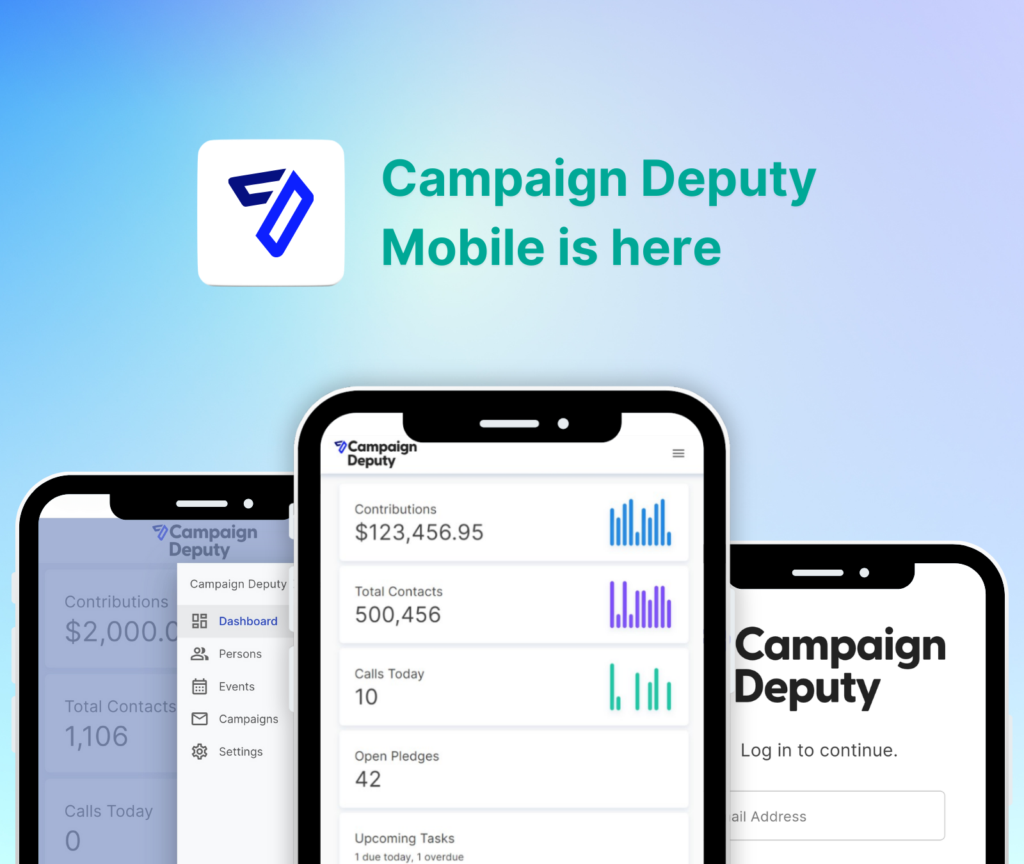
- Fundraising CRM software like Campaign Deputy handles call time, donor tracking, and compliance reporting once the campaign scales past a kitchen-table operation.
Why this matters
Most candidates lose time in the first 90 days, not the last. They spend weeks figuring out eligibility and FEC paperwork that should take a single afternoon, and that delay pushes the entire fundraising calendar back.
A Senate race runs on a different scale than a House campaign or a city council bid. The filing deadlines are federal, the donor base is statewide, and the compliance reporting starts the moment you cross the $5,000 threshold, not when you announce.
How to run for US Senate
The process has seven concrete steps, in this order:
- Confirm eligibility. Article I, Section 3 of the Constitution requires you to be at least 30 years old, a US citizen for at least 9 years, and a resident of the state you seek to represent when elected.
- Register with the FEC. Once your campaign raises or spends more than $5,000, file Statement of Candidacy (FEC Form 2) within 15 days and designate a principal campaign committee.
- Appoint a campaign treasurer. Federal law requires a treasurer to sign every finance report before it's filed. No treasurer, no committee.
- Meet your state's ballot access rules. Petition signatures, filing fees, and primary or party nomination requirements vary by state and by party.
- Build a fundraising infrastructure. Call time blocks, a donor database, and web forms need to exist before the first ask goes out, not after.
- File periodic campaign finance reports. Federal Senate candidates report on a quarterly schedule with the FEC, and additional state filings may apply depending on where you're running.
- Run the general election operation. Voter contact, paid media, and get-out-the-vote work scale up fast once you clear the primary.
Which Senate seats are up in 2026
Senators serve staggered 6-year terms split into three classes, so only about a third of the chamber is on the ballot in any given cycle. 2026 is a Class II election year, putting 33 Senate seats up nationwide. Whether a seat is open or held by an incumbent changes almost every variable in the campaign, from primary competitiveness to how fast you need to hit your fundraising benchmarks.
Senate vs. House vs. Governor: how the process differs
| Office | Term length | Minimum age | Constituency |
|---|---|---|---|
| US Senate | 6 years | 30 | Entire state |
| US House | 2 years | 25 | Congressional district |
| Governor | Typically 4 years, varies by state | Varies by state | Entire state |
A Senate campaign runs on a longer term and a bigger map than a House race, which usually means a longer runway to build donor relationships before the first filing deadline hits.
Why the process (and the runway) varies by state
- State population. A statewide Senate race in a small state covers far fewer media markets and voters than one in a large state.
- Open seat vs. incumbent. Open seats draw crowded primaries; challenging an incumbent changes your fundraising math from day one.
- Party primary rules. Some states use open primaries, some closed, and filing deadlines shift accordingly.
- Ballot access requirements. Signature thresholds and filing fees differ by state and sometimes by party.
- Media market costs. States with expensive media markets require earlier and heavier fundraising to compete on air.
- Self-funding capacity. Candidates who can seed their own campaign face different early cash-flow pressure than those starting from zero.
Building the fundraising and compliance backbone
Eligibility and filing get you on the ballot. Fundraising wins the race. Before call time starts, map out a fundraising goal tied to your primary and general election dates, not a round number pulled out of thin air.
Compliance runs in parallel the entire cycle. Quarterly FEC reports are due throughout the 2026 cycle regardless of how much cash is in the bank, and missing a deadline creates a public record that opponents and reporters will find. Track every state and federal filing deadline from the day you file Form 2, not the week before it's due.
This is the point where most first-time campaigns either build real infrastructure or start drowning in spreadsheets. Campaign Deputy is fundraising CRM software built for exactly this stage: call time tracking, donor management, texting, web forms, and campaign finance reporting in one system, so a treasurer and a finance director aren't reconciling three different tools before every FEC deadline.
Get your fundraising stack in order
See how Campaign Deputy handles call time, donors, and compliance in one system.
How much does it cost to run for US Senate?
Costs vary enormously by state size, media market prices, and whether the race is open or contested against an incumbent, so there's no single national figure that applies to every campaign. Small-state races funded largely through grassroots and call time donations look nothing like a contested race in a large media market, which is why building a fundraising plan around your specific state matters more than any headline number.
How long does a Senate campaign take?
A Senate campaign typically spans well over a year once you count filing, the primary, and the general election, since the 6-year term and statewide scope of the office give candidates more runway than a House or local race. Candidates who register early tend to have more time to build the call time and donor infrastructure needed to compete through both the primary and general.
Do you need prior political experience to run for Senate?
No, the Constitution sets only three eligibility requirements: age 30, 9 years of US citizenship, and state residency, with no experience or education requirement listed anywhere in Article I, Section 3. Plenty of first-time candidates run for Senate; the harder bar in practice is building a fundraising and compliance operation fast enough to compete statewide.
FAQ
What are the requirements to run for US Senate?
You must be at least 30 years old, a US citizen for at least 9 years, and a resident of the state you want to represent when elected. These three requirements come from Article I, Section 3 of the Constitution and cannot be changed by state law.
When do I need to register with the FEC?
You must file FEC Form 2 within 15 days of raising or spending more than $5,000 for your campaign. Registration also requires naming a campaign treasurer and a principal campaign committee.
How many Senate seats are up in 2026?
33 Senate seats are up for election in 2026 as part of the Class II election cycle. Senators serve staggered 6-year terms, so roughly a third of the chamber is on the ballot each cycle.
Is running for Senate different from running for the House?
Yes, Senate terms run 6 years compared to 2 years for the House, and Senate candidates run statewide rather than in a single congressional district. The longer term and broader constituency usually mean a longer fundraising runway before election day.
Do I need a campaign treasurer to run for Senate?
Yes, federal law requires every Senate campaign committee to have a treasurer who signs and files all FEC reports. The committee cannot legally raise or spend money without one designated.
How often does a Senate campaign file finance reports?
Federal Senate candidates file on a quarterly reporting schedule with the FEC throughout the election cycle. Additional state-level filings may apply depending on where the race is taking place.
Can an independent candidate run for US Senate?
Yes, the constitutional requirements apply regardless of party affiliation, though independent candidates typically face separate ballot access rules for petition signatures. Those rules vary by state and are usually stricter than major-party nomination paths.
One last thing
The 33 seats up in 2026 don't get equal attention or equal money; open seats and competitive states pull most of the national fundraising dollars, while safe-seat challengers often build their entire campaign on small-dollar and call time donations. If you're heading into 2026 without a household name or a self-funding budget, the fundraising system you build in month one matters more than the announcement speech.
Related guides