
Building a campaign volunteer training program means creating a structured onboarding path — orientation, role-specific scripts, shadowing, and a feedback loop — that turns a signed-up name into a volunteer who shows up and performs. Skip the structure and you get high no-show rates and inconsistent messaging at the door or on the phone. The programs that hold up through Election Day in 2026 assign a clear owner, a written curriculum per role, and a check-in cadence that catches problems before they cost you votes or dollars.
- A campaign volunteer training program needs role-specific tracks — call time, canvassing, phone banking, precinct captains — not one generic session.
- Shadowing a trained volunteer before a solo shift cuts errors more than any script or slide deck.
- Recognition and re-engagement determine whether a trained volunteer works one shift or twenty.
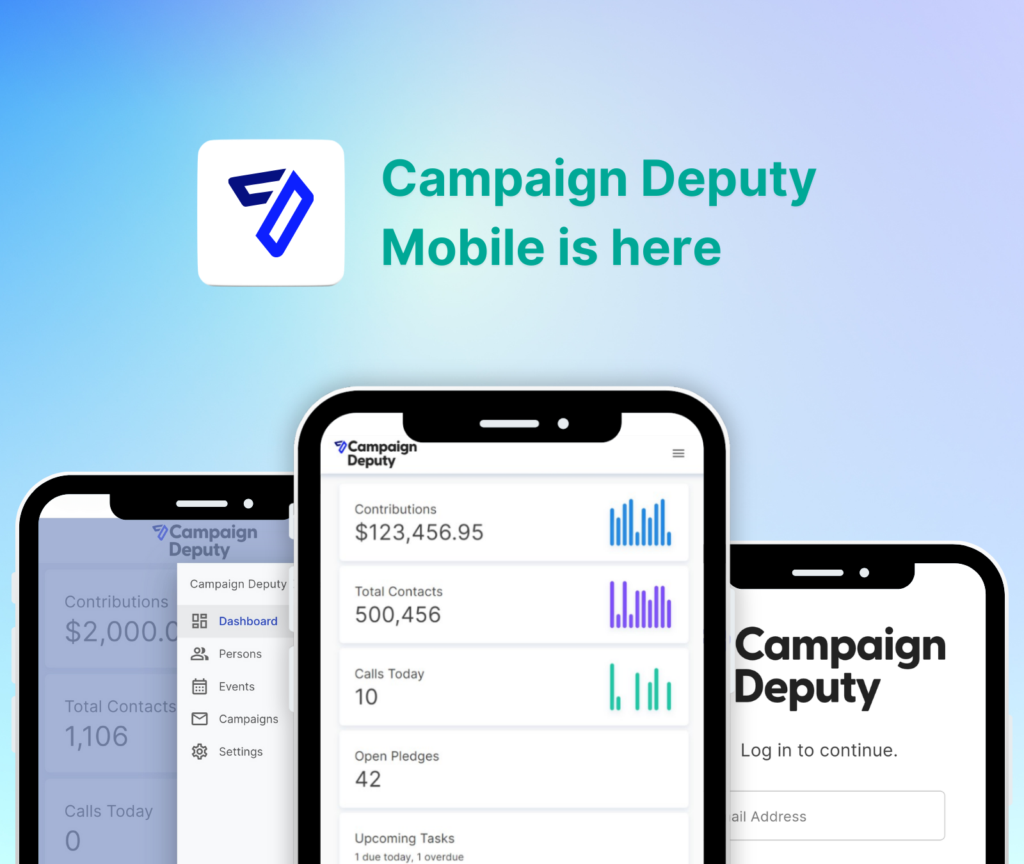
- Campaign Deputy centralizes volunteer contact records and shift history so training assignments don’t live in a spreadsheet.
Why this matters
A campaign that trains volunteers well converts warm bodies into repeat shift-takers, and repeat shift-takers are what actually move contact goals and fundraising numbers in 2026 cycles. Untrained volunteers on the phones misstate ask amounts or compliance language; untrained canvassers skip doors or log bad data. Both cost you time you don't get back before the filing deadline or Election Day.
The fix isn't more volunteers — it's a program that gets each one productive on shift one. Campaigns that recruit call time volunteers without a training track burn through goodwill fast, because nobody likes fumbling through a script on a live donor call.
How do you build a campaign volunteer training program?
Build it in five stages, each with a named owner and a deadline:
- Define roles first. Call time, canvassing, phone banking, data entry, and precinct captain each need a different skill set — don't write one training deck for all of them.
- Write a one-page script or checklist per role. Call time volunteers need an ask script and objection responses; canvassers need a door script and safety rules; data volunteers need entry standards.
- Run a live orientation, not a video. Fifteen minutes of Q&A with a staffer catches confusion a recorded session never will.
- Shadow before solo. Every new volunteer sits with an experienced one for at least one shift before working alone.
- Debrief and adjust. A five-minute check-in after the first solo shift tells you whether the script is working or needs a rewrite.
Most campaigns skip step four and pay for it in bad data or lost donors. Shadowing is the cheapest quality control a campaign has in 2026 — it costs a staffer's time, nothing else.
Call time volunteers: script and objection training
Call time volunteers need the tightest training because they're the ones asking for money directly. The training should cover the ask script, three common objections, and how to log outcomes correctly in the CRM. A volunteer who doesn't know how to record a pledge versus a completed gift creates reconciliation headaches for the treasurer later.
Pair new call time volunteers with a staffer for the first ten calls, not the first shift — ten actual dials, not ten minutes. That's enough repetition to build comfort without burning out a trainer.
Canvassers: door scripts and safety training
Canvasser training is shorter on script but longer on logistics: turf-cutting, safe knocking practices, and what to do with a hostile response. The door script itself should fit on an index card — if it's longer, volunteers won't use it.
Run a mock-door exercise in the office before the first real turf. Two minutes of role-play catches more mistakes than a written packet ever will.
Phone bankers: pace and tone training
Phone banking for GOTV moves faster than call time fundraising, so the training focus shifts to pace and tone rather than persuasion. Volunteers need to hit a target number of dials per hour without sounding rushed or robotic on the recipient's end.
A short live-call demo from a staffer, followed by two supervised calls, gets most phone bankers ready for a solo shift the same day.
Precinct captains: leadership and reporting training
Precinct captains manage other volunteers, so their training track adds a layer: how to run a mini-briefing, how to report turf completion, and how to escalate problems to the campaign office. This role needs the most training investment because a weak captain drags down every volunteer under them.
Campaigns that skip captain-specific training often end up micromanaging every precinct from headquarters instead of delegating — which defeats the purpose of having captains. If you haven't built this layer yet, recruit precinct captains before your next canvass push, not during it.
Training format comparison
| Format | Best for | Time investment | Verdict |
|---|---|---|---|
| In-person orientation | Call time, precinct captains | 30-45 min per session | Buy — highest retention, best for roles needing tone or objection handling |
| Shadow shift | Canvassing, phone banking | One full shift | Buy — cheapest quality control available |
| Recorded video | Large volunteer pools, remote teams | 10-15 min to watch | Hold — fine as a supplement, weak as the only training |
| Written packet only | No role, used alone | Self-paced | Skip — low completion rates, no verification volunteers absorbed it |
Why training programs vary campaign to campaign
- Race size — a school board run needs a lighter program than a congressional campaign with hundreds of volunteers.
- Volunteer experience level — first-time volunteers need more shadowing time than repeat campaign veterans.
- Number of distinct roles — a campaign running call time, canvassing, and phone banking simultaneously needs three tracks, not one.
- Staff capacity to train — a campaign with one field director training everyone will move slower than one with dedicated team leads.
- Compliance requirements — call time scripts must reflect current contribution limits and disclaimers, which adds a layer canvassing training doesn't need.
- Volunteer turnover — high turnover campaigns need faster, more repeatable onboarding than campaigns with a stable core team.
Track every volunteer shift in one place
Assign roles, log shifts, and see who’s trained without a spreadsheet.
How long should volunteer training take?
Volunteer training should take 15 to 45 minutes for orientation plus one shadow shift before a volunteer works solo. Call time and precinct captain roles run toward the longer end because of script and objection complexity; canvassing and data entry run shorter.
Do volunteers need different training for call time versus canvassing?
Yes, call time and canvassing need separate training tracks because the skills don't transfer — call time is scripted persuasion over the phone, canvassing is door logistics and safety. Cross-training both into one generic session confuses volunteers and wastes the shift.
How do you keep volunteers engaged after training?
Keeping volunteers engaged after training comes down to recognition and repeat scheduling, not more training sessions. A quick thank-you after a shift and a clear path to the next one does more than any additional workshop — campaigns that formalize this with a volunteer recognition program see fewer one-and-done volunteers.
FAQ
What’s the best way to train call time volunteers?
The best way to train call time volunteers is pairing a written ask script with ten supervised dials before their first solo shift in 2026. Watching a live call first, then dialing under supervision, builds comfort faster than a script alone.
How much time should a training program take before a volunteer’s first shift?
A training program should take 15 to 45 minutes of orientation plus one shadow shift before a volunteer’s first solo shift. Longer roles like precinct captain need a leadership component on top of that.
Is video training as effective as in-person training?
Video training is not as effective as in-person training for roles requiring tone or persuasion, like call time and phone banking. It works fine as a supplement for logistics-heavy roles like data entry or canvassing.
Do I need a separate script for every volunteer role?
Yes, every volunteer role needs its own script or checklist because call time, canvassing, and phone banking require different skills and pacing. One generic script leads to inconsistent messaging across roles.
How do you track which volunteers have completed training?
Tracking which volunteers have completed training requires a shared record tied to each volunteer’s contact profile, not a separate spreadsheet staff have to cross-reference. A CRM that logs shifts and training status against the same volunteer record keeps this accurate as the team grows.
What happens if a campaign skips volunteer training?
Skipping volunteer training in 2026 leads to misstated ask amounts on calls, bad canvassing data, and higher volunteer drop-off after a bad first shift. The cost shows up later as wasted contact goals, not immediately.
How many volunteers should one trainer handle?
One trainer can reasonably run orientation for a group of 10 to 15 volunteers at a time, but shadow shifts should stay one-on-one. Group orientation followed by paired shadowing balances staff time against training quality.
One last thing
The training program that fails first isn't the one with the weakest script — it's the one with no record of who's actually trained. Campaigns lose track of who shadowed a shift, who's ready to go solo, and who never finished orientation, which means the same volunteers get re-trained every cycle while gaps go unnoticed. Campaign Deputy keeps training status attached to the same volunteer record used for volunteer coordination software scheduling, so a staffer checking shift signups in 2026 can see training status in the same view instead of digging through a separate spreadsheet.
Related guides
- How to build a campaign volunteer recognition program
- How to recruit precinct captains for a campaign
- How to build a volunteer contact list for a campaign