
Campaign fundraising staff get hired in a set order — finance director or fundraising lead first, then a call time manager, then a digital fundraiser — and onboarded fastest when they're in the CRM and running dials within their first week. Skip the sequencing and you'll end up training someone on donor data while dials sit untouched, which is the hidden cost most campaigns don't budget for: a new hire who isn't trained on compliance reporting before their first filing deadline creates cleanup work that eats more staff time than the hire saved.
- Hire campaign fundraising staff in this order: finance director, call time manager, digital fundraiser.
- Onboard new hires in week one by setting up CRM access, call time blocks, and quota tracking.
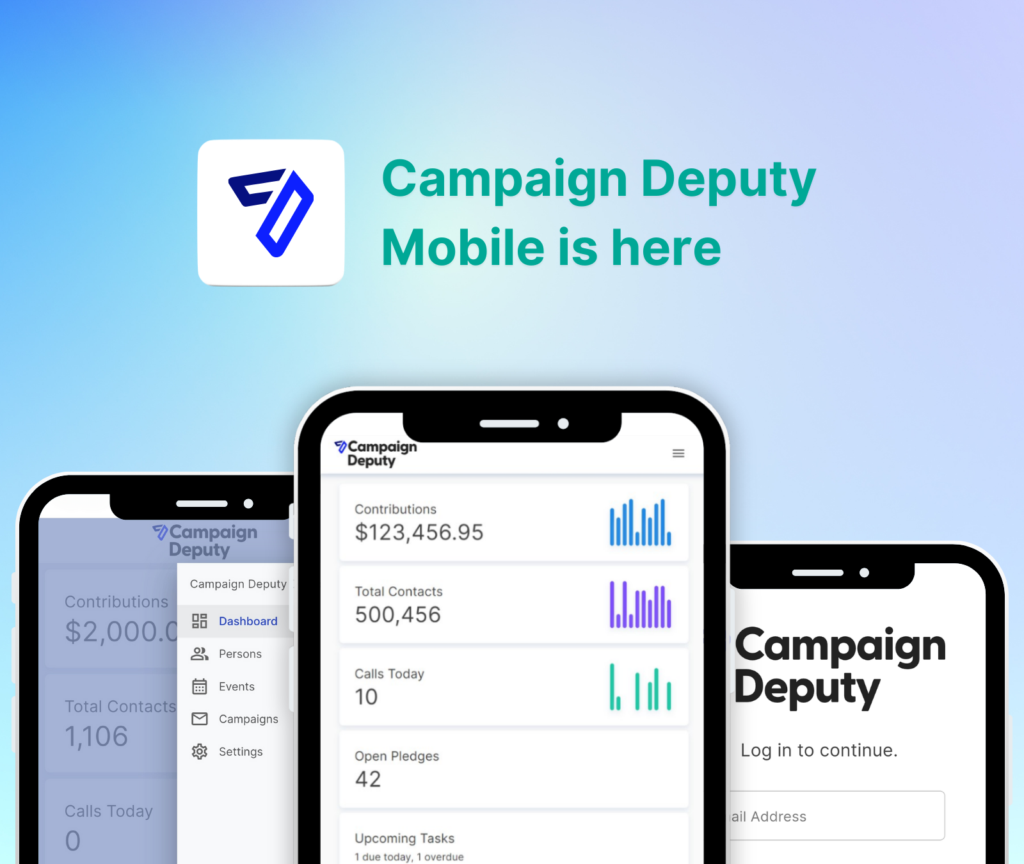
- Campaign Deputy syncs call time, quotas, and reporting so new staff hit dials faster in 2026.
- Volunteers can run early call time, but paid staff usually take over once quotas climb.
- A treasurer or compliance lead should be in place before your first FEC or state filing.
Why this matters
Most first-time candidates underestimate how much of the campaign runs through the fundraising operation. Call time, donor data entry, compliance reporting, and email sends all touch the same small team, and a bad hire or a slow onboarding stretches everywhere at once.
Campaigns that get call time blocks and CRM access set up before day one see new hires making dials by their second day instead of their second week. In 2026, with donor attention split across email, text, and call time, that lag matters more than it did in past cycles.
How to hire campaign fundraising staff
- Define the role before you post it. Are you hiring someone to manage the CRM and call time schedule, or someone to run digital fundraising and email? Combining both into one junior hire is common and it's also why most first hires burn out.
- Source from political networks first. State party staff lists, consultant referrals, and campaign alumni networks produce candidates who already understand call time culture and compliance basics — general job boards don't screen for that.
- Test for CRM comfort, not just fundraising instinct. Someone who can talk to donors but can't log a pledge correctly creates data problems your treasurer inherits later.
- Check for FEC or state reporting familiarity if the role touches compliance. A finance director who has never reconciled a bank record against a filing needs training time you should plan for, not discover.
- Set the quota conversation in the interview. Ask how the candidate has hit fundraising goals before, then confirm the number matches what your campaign actually needs in 2026 dollars.
How to onboard new campaign fundraising staff
- Get CRM access set up before their first day. Waiting until day one to provision logins costs a morning you don't get back.
- Walk through the donor database structure first, dials second. Staff who understand how donors are segmented make fewer call time mistakes in week one.
- Assign a shadow shift. New call time staff should sit in on at least one experienced staffer's block before running their own.
- Set call time fundraising quotas explicitly in writing. Vague expectations are the top reason new hires underperform in their first month.
- Review their first week's activity together. Look at dials made, pledges logged, and any compliance flags before letting the schedule run on autopilot.
Which fundraising roles should you hire first
| Role | When to hire | Best for |
|---|---|---|
| Finance Director | As soon as you file to run | Campaigns aiming for six-figure fundraising totals |
| Call Time Manager | Once dial volume outgrows the candidate's own calendar | Candidates running daily call time blocks |
| Digital Fundraiser | Before your first major email or text push | Campaigns scaling email and peer-to-peer texting |
| Treasurer / Compliance Lead | Before your first FEC or state filing deadline | Any campaign subject to campaign finance reporting |
Verdict: hire the finance director and treasurer roles first — everything else, including call time staff, plugs into the systems those two people set up.
Why fundraising hiring timelines vary
- Campaign size. A city council run and a congressional campaign need very different staffing structures — one might run on volunteers, the other needs paid roles from day one.
- Election cycle stage. Primary season demands call time staff earlier than a general election that's already decided.
- In-house vs. volunteer call time. Campaigns leaning on trained volunteers can delay a paid call time hire longer than campaigns without a volunteer base.
- Compliance complexity. States and the FEC have different filing cadences, and campaigns with frequent deadlines need a treasurer or compliance lead earlier.
- Digital fundraising ambitions. Campaigns planning large email or text programs need a digital fundraiser in place before the first send, not after.
- Staff turnover risk. Campaigns with a history of burnout on the fundraising team should build in overlap time for new hires to shadow before taking over.
Get new hires dialing faster
See how call time software speeds up onboarding for campaign fundraising staff.
When should a campaign hire a finance director?
Hire a finance director as soon as you file to run, not after your fundraising goals start slipping. The finance director sets up the systems — CRM structure, call time schedule, quota tracking — that every later hire depends on, so waiting means rebuilding those systems mid-cycle.
Can volunteers replace paid call time staff?
Volunteers can run call time early in a campaign, especially for local races with modest fundraising goals, but paid staff usually take over once quotas climb. The tradeoff is consistency: volunteers rotate and drop off, while a paid call time manager owns the schedule and the numbers every week.
How long does onboarding new fundraising staff take?
Onboarding new fundraising staff takes about one week to get someone making unsupervised dials, assuming CRM access and call time blocks are ready before their first day. Compliance training for treasurer-level roles takes longer, since it involves walking through past filings and reconciliation records specific to the campaign.
FAQ
How do you hire campaign fundraising staff quickly?
Source candidates through state party lists, consultant referrals, and campaign alumni networks rather than general job boards, since those channels already screen for call time and compliance familiarity. Test CRM comfort during the interview, not just fundraising instinct.
What’s the best first fundraising hire for a new campaign?
A finance director is the best first fundraising hire because they set up the CRM structure, call time schedule, and quota tracking that every later hire depends on. Skipping this role means rebuilding those systems mid-cycle.
Is it better to hire staff or rely on volunteers for call time?
Volunteers work for early-stage or local campaigns with modest fundraising goals, but paid staff are better once quotas climb, because a paid call time manager owns the schedule consistently instead of rotating shifts. Most campaigns transition from volunteer to paid call time as the election nears.
How do you onboard a new call time staffer?
Onboard a new call time staffer by setting up CRM access before day one, walking through the donor database structure, assigning a shadow shift, and setting written quotas. Review their first week of activity together before letting the schedule run unsupervised.
What should a campaign look for when hiring a treasurer?
Look for familiarity with FEC or state filing requirements and bank reconciliation, since a treasurer who has never handled compliance reporting needs training time before your first filing deadline. Bring this role on before you file to run, not after.
How much fundraising experience should a digital fundraiser have?
A digital fundraiser should have experience running email and text programs at scale, since this role is best hired before your first major send, not after a list has already gone stagnant. Ask candidates for specific results from past cycles rather than general marketing experience.
When does a campaign need a dedicated call time manager?
A campaign needs a dedicated call time manager once dial volume outgrows what the candidate can track alone, typically as the schedule moves from a few hours a week to daily blocks. Before that point, a finance director or the candidate can manage the schedule directly.
One last thing
The campaigns that struggle most with new hires aren't the ones with bad candidates — they're the ones where the CRM and call time system weren't set up before the hire started. Build the system first, then hire into it, and onboarding drops from weeks to days. In 2026, with call time, email, and texting all running through one platform for most campaigns, that setup work pays off faster than it did when those tools lived in separate places.
Related guides