
A GOTV phone script for 2026 needs five parts in a fixed order: identification, the stakes, a status check, a direct ask, and a close with a tally code — skip the persuasion talking points once you're calling identified supporters. The part most campaigns get wrong isn't the pitch, it's the compliance line: several states require a live-caller or autodial disclosure, and a script missing that line can put an entire phone bank at risk.
- A GOTV phone script needs identification, a status check, a direct ask, and a tally code, in that order.
- Persuasion talking points don’t belong in a GOTV script — the list is already identified supporters by this point.
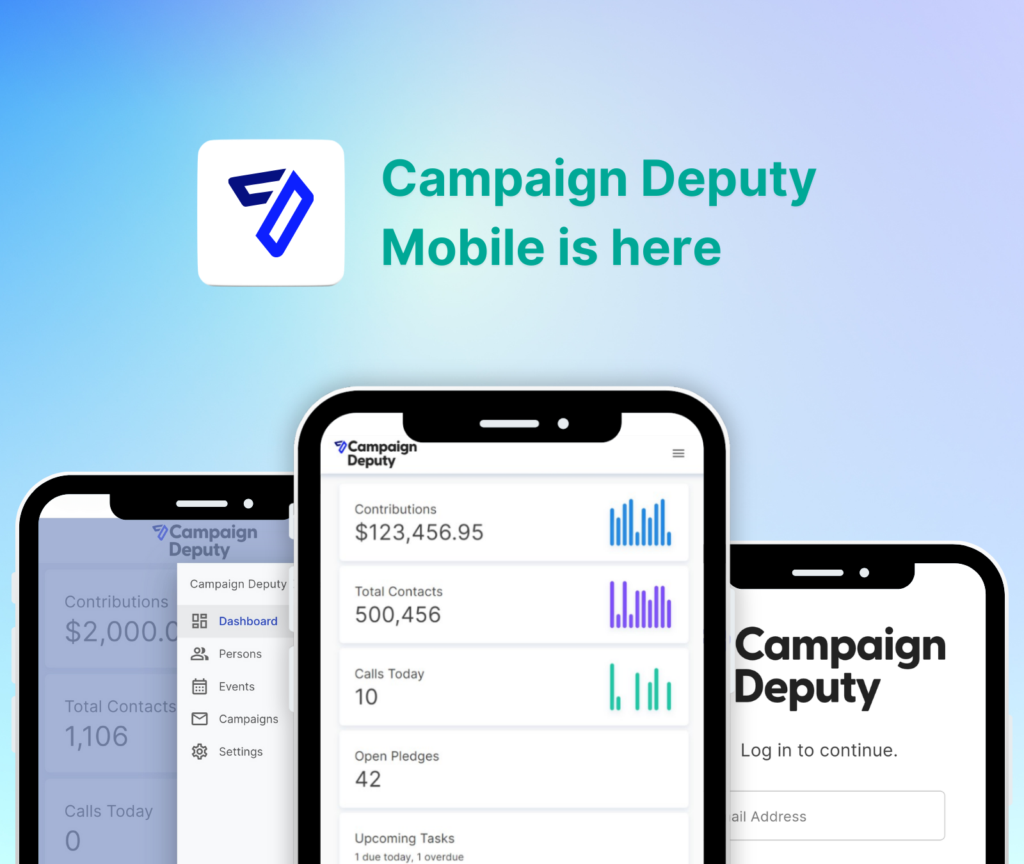
- Campaign Deputy’s phone banking software logs tallies live so volunteers stop double-entering call sheets by hand.
- State disclosure rules for GOTV calls differ by state — confirm the language before dialing in 2026.
Why this matters
By the time a campaign runs its get-out-the-vote program, the persuasion work is done. The list has already been built through canvassing, digital ads, and earlier rounds of calls, so a GOTV script has exactly one job: turn an identified "yes" into a completed ballot before the deadline passes.
A script that wanders into issue talking points wastes the caller's time and the voter's patience. A script that skips the direct ask lets a supporter hang up without a firm plan, and firm plans are what move a name from "likely" to "voted" on election night.
How to write a GOTV phone script
Build the script to fit on one printed card or one screen — a caller reading past a single scroll starts losing the voter's attention. Follow this order:
- Identify the campaign and the caller. Name, then committee: "Hi, this is [name] calling with [campaign]." No preamble past that.
- State the reason for the call in one sentence. Election date, why it matters this cycle, nothing more.
- Ask a status question first. "Have you already voted, or do you still need to?" This single question routes the rest of the call.
- Branch on the answer. Already-voted gets a thank-you and a hang-up. Needs-a-plan gets logistics. Undecided-on-timing gets a nudge toward a specific day.
- Give logistics only when asked. Polling location, hours, or the mail-ballot drop-off deadline — keep this line ready but don't read it unprompted.
- Close with a direct ask. "Can we count on your vote by [date]?" Stop talking after the question.
- Log the response before hanging up. A tally code that matches your voter file coding is what makes the results usable after election night.
Campaigns running a phone bank for the first time in 2026 often build the script in a document and the tally sheet in a spreadsheet, and the two drift apart within a single shift. Purpose-built phone banking software keeps the script, the dial list, and the tally in the same screen so a caller's notes match what gets reported back to the campaign manager.
Run your GOTV phone bank in one place
Schedule volunteer shifts, load the script, and log tallies without spreadsheets.
GOTV script vs. persuasion script vs. recruitment tail
| Script type | When to use | Core question | Best for |
|---|---|---|---|
| GOTV script | Final stretch, identified supporters | "Do you have a plan to vote?" | Turning support into a completed ballot |
| Persuasion script | Weeks before election, undecided voters | "What issues matter most to you?" | Moving undecided voters toward a candidate |
| Volunteer recruitment tail | Added to either script | "Can you make calls this weekend?" | Growing the calling bench mid-cycle |
Verdict: run the GOTV script on identified supporters only — mixing persuasion content into a GOTV call slows the caller down and doesn't move a voter who's already decided.
Election day script: assume they already know how to vote
On election day itself, cut the script further. Voters on this list have already been reminded once or twice, so the call becomes a status check and a logistics answer, nothing more.
The branch that matters most here is the "I haven't gotten to it yet" answer — that's the voter who needs a specific time commitment, not another reminder that the election is happening.
Early vote and mail ballot script: confirm status first
In states with early voting or mail ballots, the status question changes shape: "Have you returned your ballot, or do you still have it?" A voter who says they still have the ballot needs the drop-off deadline and location read back clearly, not a repeat of the campaign's pitch.
This is also where a GOTV texting program earns its keep. A GOTV texting platform can follow up a call with a written reminder of the ballot deadline the voter just heard on the phone, which gives the reminder a second surface instead of relying on memory alone.
Volunteer recruitment tail: one line, not a pitch
If the campaign is short on callers heading into the final week of 2026, add one line to the close: "We could use more people making calls like this one — would you be open to that?" Keep it after the vote ask, never before it. A voter who hasn't confirmed their own plan yet isn't ready to hear a recruitment pitch.
Why GOTV scripts vary
A script that works for one campaign's calling program won't automatically work for another's. The factors that change the script:
- State disclosure and opt-out rules for live-caller or autodialed political calls
- Vote-by-mail vs. in-person rules in the state, which changes the status question entirely
- Call universe — identified supporters get a GOTV script, remaining undecideds still need persuasion content
- Paid callers vs. volunteers — volunteers generally need a shorter, more literal script they can read verbatim
- Language access needs in the district, which may require a second script version
- Whether the call is paired with texting or door-knocking, which changes what the caller needs to confirm versus what a follow-up channel can handle
“If the answer is yes, stop talking and ask them to confirm the plan.”
Is a GOTV script different from a persuasion script?
Yes — a GOTV script assumes the voter already supports the candidate and exists only to confirm a voting plan, while a persuasion script is built to move an undecided voter toward a position. Mixing the two slows down a GOTV shift and rarely changes an already-decided voter's mind.
Should volunteers read the script word for word?
Volunteers should read the opening identification and the closing ask word for word, with more flexibility in between for natural conversation. A script that's too rigid in the middle sounds robotic and voters hang up faster on calls that don't sound like a real person.
Do GOTV calls need a legal disclaimer?
Some do — states with autodial or prerecorded-call rules typically require a disclosure line, and campaigns should confirm the exact wording required in their state before a shift starts. Building the disclaimer into the script itself, rather than trusting callers to remember it, is what keeps a calling program compliant across every shift.
FAQ
What’s the best way to write a GOTV phone script?
The best GOTV phone script opens with identification, asks a status question, branches into a direct ask, and closes with a tally code — skip persuasion talking points entirely. Keep it short enough to fit one printed card so callers don’t lose their place mid-call.
How long should a GOTV script be?
A GOTV script should be short — one page or one screen, built for a quick status check and a direct ask rather than a conversation about issues. The persuasion version of a call script runs much longer because it needs room for back-and-forth on what matters to the voter.
Do volunteers need training to use a GOTV script?
Volunteers need a short walkthrough covering the opening line, the status-question branches, and the closing ask before their first shift. Most campaigns run this as a five-minute briefing right before dial time rather than a separate training session.
Is texting better than calling for GOTV?
Neither replaces the other — texting reaches more people per hour, while a live call confirms a plan and answers questions a text can’t. Campaigns running both in 2026 typically use calls for confirmed supporters and texting as the reminder layer that follows.
What disclaimer language does a GOTV script need?
The required disclaimer depends on the state and whether the call is live or autodialed — there’s no single national wording. Check the specific state rule before the script goes to print, and build the line into the script itself rather than leaving it to memory.
How do I track responses during a phone bank?
Responses get logged with a tally code the moment the call ends, matched to the same coding used in the voter file so results reconcile after election night. Doing this on paper works for a small shift, but it breaks down once multiple callers are working the same list at once.
Should paid callers and volunteers use different scripts?
Paid callers can usually handle a slightly longer script with more branches, while volunteer scripts should stay short and literal since training time is limited. Both versions should keep the same core order: identification, status check, ask, close.
What’s the difference between a GOTV script and a persuasion script?
A GOTV script assumes support and confirms a voting plan; a persuasion script is built to move an undecided voter’s opinion. Running a persuasion script on a GOTV list wastes calling time on voters who’ve already decided.
One last thing
Write the rebuttal branches before the shift starts, not during it — "I already voted," "wrong number," and "not interested" account for most of the calls that don't go according to the main script, and a caller who has to improvise those answers slows down the entire shift. Match the tally codes to the voter file coding on day one of 2026 planning, not the week before the election, because reconciling mismatched codes after the fact eats hours a GOTV program doesn't have.
Related guides
- Volunteer shift scheduling for GOTV programs
- Setting up call time blocks for a political campaign
- Texting voters compliantly for a political campaign