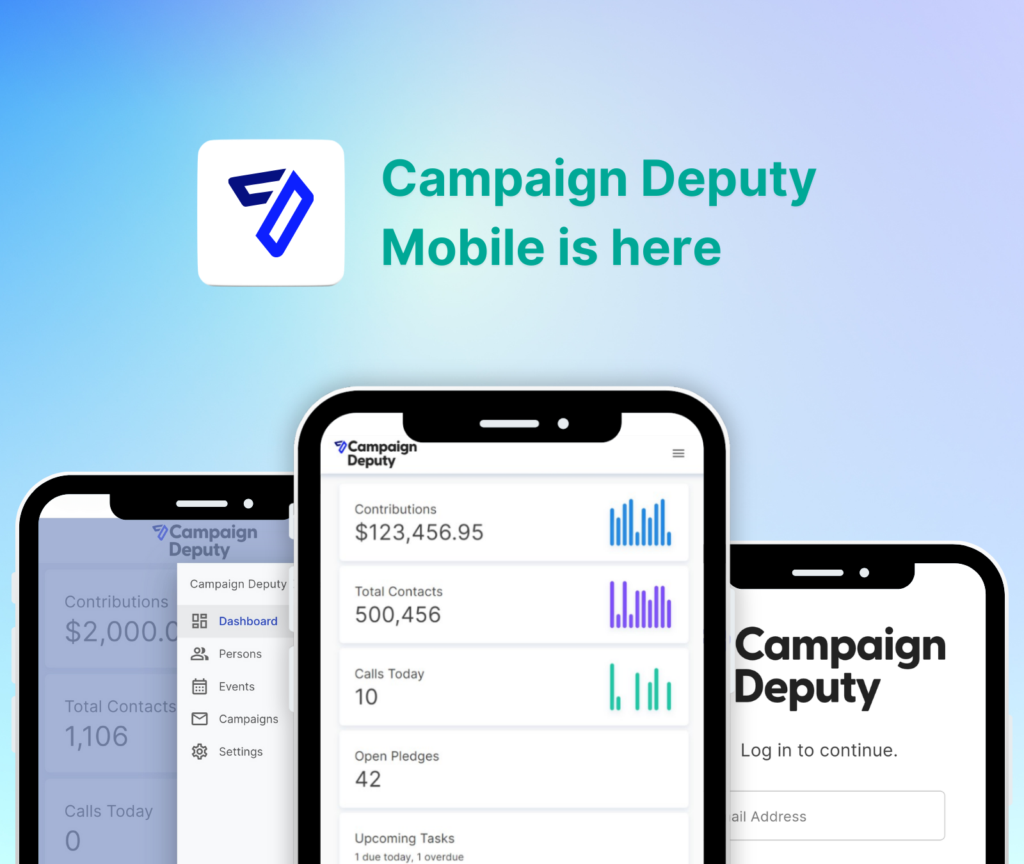

Call time software for state senate candidates is dialing, tracking, and donor-database software built for the compressed, high-volume fundraising sprint that defines a state legislative race. A state senate campaign runs on a smaller donor universe than a congressional bid but a tighter reporting calendar, so the tool has to make every call session count and feed straight into finance reports.
- Call time software for state senate candidates should combine dialing, donor tagging, and pledge tracking in one screen — not three separate tools.
- Campaign Deputy pairs call time management with donor management software for state senate campaigns so calls and reports pull from the same data.
- State senate races typically run on 2-4 year cycles with fewer paid staff, so setup speed and volunteer usability matter more than enterprise features.
- Manual call sheets and spreadsheets work for a first cycle but break down once a campaign passes 300-400 donor contacts.
Why call time software matters for state senate candidates
A state senate seat covers a district, not a state, which means the donor list is finite and repeat asks matter more than they do in a statewide race. Most candidates in 2026 are managing call time themselves in the first six months, then handing lists to a finance director or volunteer once the campaign scales past the primary.
The reporting side compounds the pressure. State legislative candidates file on state schedules, not just FEC deadlines, and a missed quarterly report creates real problems with a treasurer scrambling for numbers the week of a filing deadline. Software that keeps call logs, pledges, and donor records in one place removes that scramble, which is the entire argument for donor management software for state senate campaigns over a patchwork of spreadsheets and a separate CRM.
Build your call time list from your donor database
Every call session starts with a list, and a bad list wastes more time than a bad script.
- Pull prior donors, event RSVPs, and volunteer sign-ups into one working list before the first call session
- Tag contacts by giving history, not just name and phone number
- Remove duplicates and dead numbers before handing a list to a volunteer
- Sort by likelihood to give again, not alphabetically
- Set a target list size per session — 25 to 40 names covers a typical 2-hour block without over-preparing
Spreadsheets handle this for a first cycle. Past a few hundred contacts, a shared spreadsheet turns into a version-control problem, which is where a dedicated CRM with a built-in call list feature saves real hours.
Set call time fundraising quotas per session
A session without a number attached to it drifts.
- Set a dollar target per session, not just a call count
- Break the target into asks per hour so the candidate can pace the block
- Track dials, contacts, and dollars raised separately — they tell different stories
- Compare session-to-session performance weekly, not just monthly
Candidates who skip this step tend to discover in month four that call time has been busy but not productive. Call time fundraising quotas built around actual dollars, not just hours logged, catch that gap early.
Plan a call time schedule around the legislative calendar
State senate districts don't run on the congressional calendar, and that changes when call time actually happens.
- Map the primary date and general election date first, then work backward
- Block out session filing week and legislative session dates if the candidate is a sitting legislator running for re-election
- Reserve mornings for high-dollar donors and evenings for grassroots calls
- Build in a lighter week around each finance filing deadline so the treasurer isn't fighting for the candidate's attention
A call time schedule for a state legislature race built this way keeps the candidate dialing on a rhythm instead of reacting to whichever week feels urgent.
Set up call time blocks and track dial-to-dollar ratios
Blocks work better than open-ended "call time" on a calendar because they force a start and stop.
- Use 2-hour blocks with a 10-minute break at the midpoint
- Log every dial, not just the calls that connect
- Track dial-to-dollar ratio weekly to catch a list that's gone stale
- Rotate list segments so the same donors aren't called twice in one month
This is where call time software earns its place over a paper tracker: a shared system logs the call automatically instead of relying on a candidate to write it down between dials.
Recruit and onboard call time volunteers for a campaign
Most state senate campaigns eventually hand some call time to a trusted volunteer or intern, and that handoff is where lists get lost or duplicated.
- Recruit from the existing volunteer list before posting a public ask
- Give every volunteer a short script and a list of do-not-call names
- Log volunteer call sessions the same way candidate sessions are logged
- Debrief after the first two sessions to fix pacing problems early
See call time software built for state races
Track dials, quotas, and donor history in one system before your next session.
Write a call script tailored to state senate messaging
A state senate script is shorter than a statewide script because the ask is more personal — the candidate is often calling a neighbor or a past local supporter, not a stranger from a purchased list.
- Open with the district connection, not the office title
- State the ask amount directly instead of hinting at it
- Prepare one answer each for "I already gave" and "call me back later"
- Close every call with a specific next step, even a no
Measure results and adjust weekly
A call time program that isn't reviewed weekly drifts off target by the time a report catches it.
- Compare dollars raised against the weekly quota every Friday
- Flag any list segment with a dial-to-dollar ratio below the campaign average
- Adjust the schedule if one time block consistently underperforms
- Report the week's numbers to the treasurer before the next filing deadline, not after
Comparison: call time options for state senate campaigns
| Option | Best for | Key limitation |
|---|---|---|
| Spreadsheet + paper call sheets | A first-time candidate testing call time before committing to software | No automatic dial logging, easy to duplicate or lose donor contacts |
| General-purpose CRM not built for campaigns | A candidate who already owns a CRM for a separate business or nonprofit | Missing FEC/state compliance fields and call-specific quota tracking |
| Campaign Deputy | A state senate campaign that wants call time, donor records, and compliance reporting in one system | Setup takes real time upfront to import an existing donor list |
Campaign Deputy is built for candidates who need call time tracking and campaign finance reporting to share the same donor record, which matters most once a state senate campaign passes its first reporting deadline.
Common mistakes state senate candidates make
- Calling the same 50 donors every session. A district-sized donor pool runs out fast if the list isn't rotated and expanded with new prospects.
- Skipping the dollar quota and just logging hours. Hours don't file a finance report — dollars do.
- Letting volunteers use a separate spreadsheet from the candidate's list. This creates duplicate asks and donor complaints.
- Treating call time and compliance reporting as separate jobs. A treasurer working from a different system than the finance director creates reconciliation problems right before a filing deadline.
- Waiting until the general election to build a real call time program. Primary-season donors are often the easiest repeat asks of the entire 2026 cycle.
FAQ
What is the best call time software for state senate candidates in 2026?
The best option pairs dialing and quota tracking with donor management and compliance reporting in one system, so a state senate campaign isn’t reconciling two tools before every filing deadline. Campaign Deputy is built around that pairing specifically for candidates and campaign finance staff.
Do state senate campaigns need dedicated call time software or can a spreadsheet work?
A spreadsheet works for the first few months of a campaign with under a few hundred donor contacts. Past that point, tracking dials, pledges, and repeat asks by hand slows down every session and increases the risk of duplicate calls.
How many hours a week should a state senate candidate spend on call time?
Call time hours vary by district size and fundraising goal, so there’s no single number that fits every race. Setting a weekly dollar quota and measuring against it matters more than hitting a fixed hour count.
Is call time software different for state senate races than congressional races?
Yes — state senate races run on smaller donor lists and state-specific reporting deadlines instead of only FEC deadlines. Software built for state legislature candidates should track state filing dates alongside call time data.
How does call time software help with campaign finance compliance?
Software that logs every pledge and donation at the point of the call feeds directly into the finance report, so a treasurer isn’t rebuilding donor records from scratch before a deadline. This matters most for candidates filing on tight state schedules in 2026.
Can volunteers use the same call time software as the candidate?
Yes, most call time software supports multiple users on shared or segmented lists, with volunteer sessions logged the same way as candidate sessions. This keeps a campaign from running two separate donor records for the same race.
What’s the difference between call time software and a general CRM?
A general CRM tracks contacts but usually lacks quota tracking, dial logging, and campaign finance compliance fields built for political fundraising. Call time software built for campaigns ties those pieces together instead of requiring a second tool.
How much does call time software cost for a state senate campaign?
Pricing varies by platform and campaign size, so check current pricing directly with the provider rather than relying on a fixed figure. Most campaigns evaluate cost against the staff hours saved on manual list building and reporting.
One last thing
The campaigns that get the most out of call time software in 2026 aren't the ones with the biggest donor lists — they're the ones that review the dial-to-dollar ratio every week instead of every quarter. A state senate district's donor pool is small enough that a stale list shows up in the numbers within two or three sessions, long before it shows up in a bank balance.
Related guides
- Fundraising CRM for state legislature candidates
- How to set call time fundraising quotas
- How to build a call time script for first-time candidates