
A call time list from a donor database is the filtered, sorted export you hand a caller each session — the names most likely to give again, ranked by recency and giving amount, with anyone who's opted out or already maxed out stripped before the sheet gets printed. Skip that second filter and half the list is wasted on donors who can't legally give more or who told the campaign not to call.
- A call time list from a donor database filters by recency, cumulative giving, and contact permission before it reaches a caller.
- Blocks of 15-25 names per hour keep callers moving without running out of qualified prospects.
- Call time software rebuilds the list automatically as calls get logged, so nobody gets dialed twice in the same cycle.
- Refresh the list every 24-48 hours during an active call time push to drop contacted and do-not-call donors.
Why this matters
A donor database with 3,000 records doesn't mean 3,000 people to call. Most of that file is dead weight for a given cycle — donors who gave once in 2018, contacts with no phone number, people who already maxed out under the contribution limit. A call time list is the working subset that turns a static CRM into an hour of productive dials.
Campaigns that skip segmentation hand callers a raw export sorted alphabetically. That's the fastest way to burn a volunteer's morning on wrong numbers and disconnected lines. A donor CRM built for call time blocks solves this by letting you filter and export in minutes instead of hours.
How do you build a call time list from a donor database?
- Pull the base segment. Start with donors who gave in the last 12-24 months, or lapsed donors with a prior contribution history worth revisiting in 2026.
- Rank by likely ask amount. Order the list by last gift size or lifetime giving, then apply a target ask of 1.5x to 2x the previous contribution.
- Filter out excluded contacts. Remove anyone marked do-not-call, anyone who's hit the contribution limit for the cycle, and anyone contacted in the last 48 hours.
- Split into call blocks. Break the filtered list into groups of 15-25 names per hour so a caller never runs dry mid-session.
- Add context fields. Attach last-contact date, employer, and prior ask notes so the caller isn't starting cold.
- Refresh before every session. Pull a new export at the start of each call block to exclude names already logged as contacted.
New donor prospects vs. renewal donors vs. major donors
| List type | Source in database | Typical ask approach | Best for |
|---|---|---|---|
| New donor prospect list | First-time givers, event RSVPs, web form submissions | Modest ask, relationship-building | Early-cycle list growth |
| Renewal donor list | Lapsed givers from prior cycles | Reactivation ask referencing past support | Mid-cycle fundraising pushes |
| Major donor list | Top 10-20% by lifetime giving | High-touch, personalized ask | Finance director or candidate calls |
Each list needs its own filter logic, and mixing them into one undifferentiated sheet is the most common reason call time sessions underperform. Segmenting a donor list by these categories before export keeps the caller's script and ask consistent with who's actually on the line.
Why call time list quality varies
- Phone number coverage. A database with 60% verified phone numbers produces a much shorter workable list than one with 90% coverage.
- Contribution limit tracking. Federal and state limits mean some donors are already maxed out and need to be excluded automatically, not manually checked.
- Do-not-call flags. Donors who've opted out need a hard exclusion filter, not a note a caller might miss.
- Data freshness. A database not updated since a prior cycle will surface stale addresses and old employer information.
- Caller assignment logic. Major donors typically route to the candidate or finance director, not a volunteer caller.
- Duplicate records. Merged household records or duplicate entries inflate list size without adding real prospects.
“A call time list that isn’t refreshed between sessions just recreates the same wasted calls every day.”
How many donors should be on one call time sheet?
A workable call time sheet runs 15-25 names per hour — enough to keep a caller moving through voicemails and no-answers without running out of live prospects. Larger blocks of 40-50 names usually mean the list wasn't filtered tightly enough by recency or ask likelihood.
How often should a call time list be refreshed?
Refresh a call time list every 24-48 hours during an active fundraising push. Waiting longer than that risks re-calling donors who were already contacted, which wastes caller time and irritates donors who've already given an answer.
What donor database fields matter most for call time?
The fields that matter most are last contribution date, lifetime giving total, phone number status, and do-not-call flag — these four determine whether a name belongs on the list at all. Employer and occupation fields matter next, since federal reporting requires them once a donor crosses the itemization threshold.
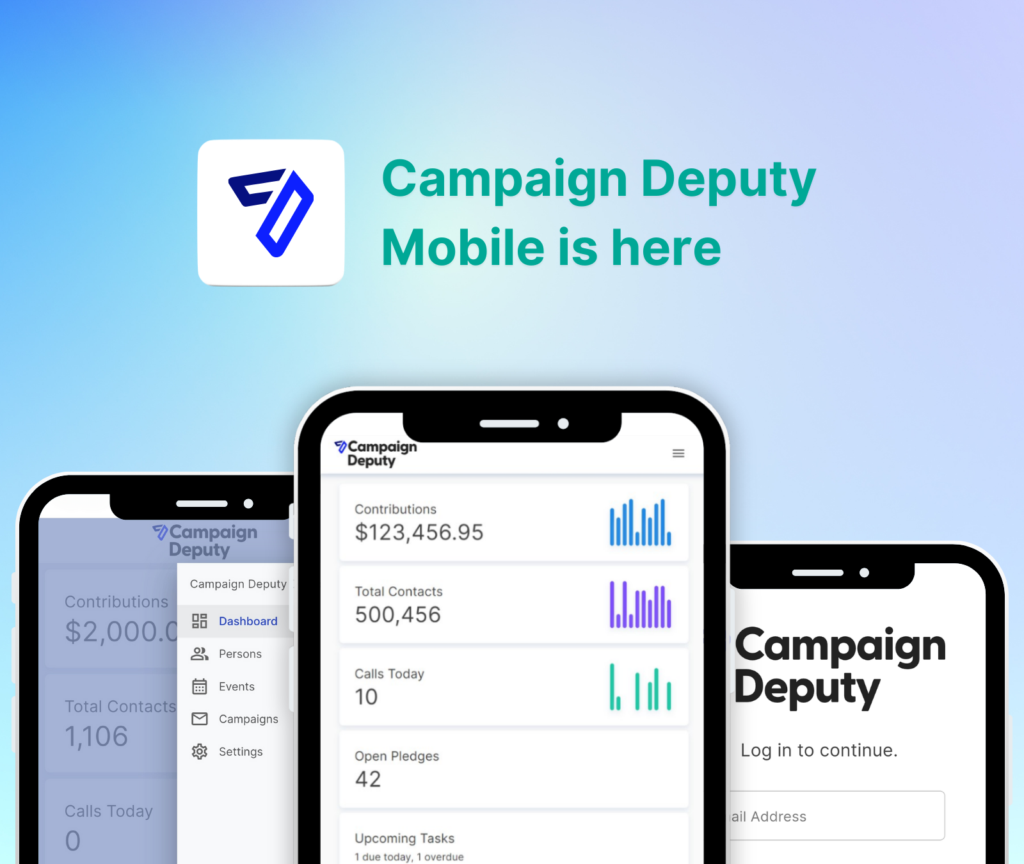
Campaign Deputy's call time software builds these filters directly into the donor database, so a fundraising director can export a fresh list without pulling a spreadsheet manually every morning. The same CRM that tracks giving history also flags contribution limits and do-not-call status automatically, which keeps call time software from handing a caller a name that shouldn't be on the sheet.
Build your call time list faster
Filter, segment, and export donor lists directly from your CRM.
FAQ
What is a call time list from a donor database?
A call time list from a donor database is a filtered export of donors ranked by giving history and contact status, used to guide a calling session. It excludes anyone who’s opted out, maxed out, or already been contacted that cycle.
How many names should go on a call time sheet?
15-25 names per hour is the workable range for most call time sessions in 2026. Fewer than that and a caller runs out of prospects; more than that usually signals a filter problem.
How often should a call time list be refreshed?
Refresh the list every 24-48 hours during an active call time cycle. This removes contacted donors and updates do-not-call flags before the next session starts.
Should new donors and major donors be on the same call time list?
No, new donor prospects, renewal donors, and major donors need separate lists because the ask size and caller assignment differ. Mixing them produces inconsistent scripts and misrouted major donor calls.
What database fields matter most for building a call time list?
Last contribution date, lifetime giving total, phone number status, and do-not-call flag matter most. These four fields determine whether a donor belongs on the list before any ask amount gets calculated.
Can call time software build the list automatically?
Yes, call time software filters by recency, giving amount, and contact status without a manual spreadsheet pull. It also updates the list as calls get logged so donors aren’t dialed twice.
Why does a call time list shrink so fast after filtering?
Most donor databases have incomplete phone number coverage and a percentage of donors already at their contribution limit. A 3,000-record database might yield only 400-500 workable names after those filters run.
One last thing
The single biggest failure point in call time lists isn't the filter logic — it's forgetting to exclude donors already at their contribution limit before the list goes to a caller. That single missed filter wastes an entire block of calls on donors who legally can't give again in 2026, and it's the fastest way to burn volunteer goodwill on dead-end asks.
Related guides